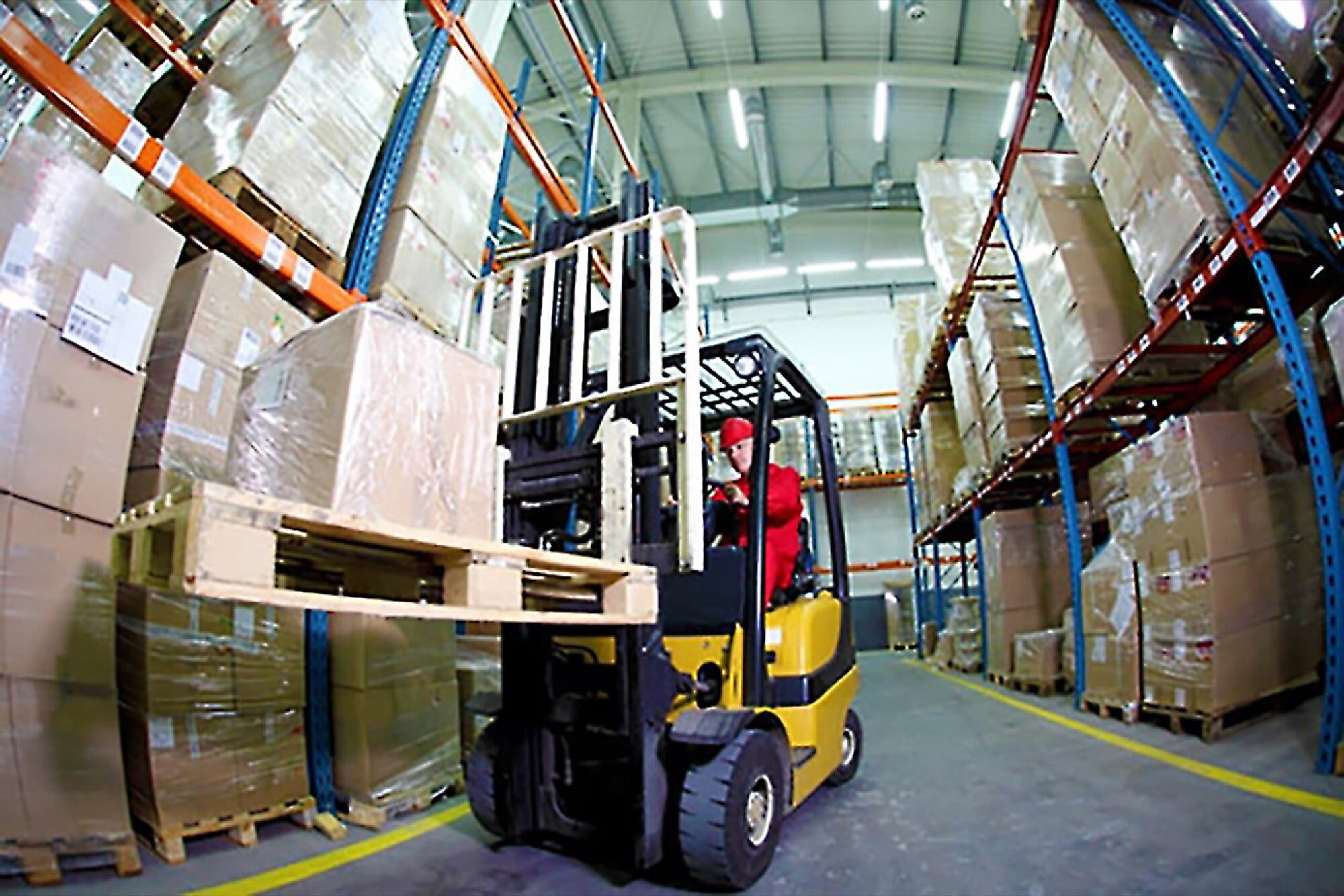
Welcome to the world of distribution companies, where efficiency is key and maximizing productivity is a top priority. In this fast-paced industry, having the right tools in place can make all the difference. One such tool that has become essential for distribution companies is an Enterprise Resource Planning (ERP) system. This comprehensive software solution is designed to streamline operations, optimize processes, and improve overall performance. By implementing an ERP system, distribution companies can experience a wide range of benefits, from better inventory management to enhanced customer service. Let’s take a closer look at how an ERP system can help distribution companies thrive in today’s competitive market.
Implementing a custom ERP system for efficient inventory management
As a distribution company, having an efficient inventory management system is crucial for the success of your business. Implementing a custom ERP system can help streamline your inventory processes and improve overall efficiency. An ERP system, or Enterprise Resource Planning system, integrates various functions of your business such as inventory management, order processing, accounting, and more into one centralized platform. By having a custom ERP system tailored specifically for your distribution company, you can better manage your inventory and optimize your operations.
When implementing a custom ERP system for inventory management, it is important to first assess your current inventory processes and identify areas that need improvement. This assessment will help determine the specific features and functionalities that your custom ERP system should have. For example, if you are struggling with tracking inventory levels accurately, your custom ERP system can be designed to offer real-time visibility of your inventory across all locations.
Customizing your ERP system to meet the unique needs of your distribution company is crucial for maximizing its effectiveness. Working with an experienced ERP provider who understands the intricacies of the distribution industry can help ensure that your custom ERP system is tailored to your specific requirements. This customization process may involve mapping out your existing inventory processes, designing workflows that align with your business goals, and integrating other modules such as order processing, warehouse management, and reporting tools.
One of the key benefits of implementing a custom ERP system for inventory management is improved accuracy and reliability. By centralizing your inventory data and automating manual processes, you can reduce the risk of errors and inaccuracies in your inventory records. This can lead to better decision-making, improved customer service, and increased profitability for your distribution company.
Furthermore, a custom ERP system can help enhance collaboration and communication within your organization. By providing access to real-time data and analytics, your employees can make informed decisions and work more efficiently. For example, sales representatives can check inventory levels before placing orders, warehouse staff can track shipments in real-time, and management can generate reports to analyze inventory trends and forecast demand.
In conclusion, implementing a custom ERP system for efficient inventory management is a strategic investment that can have a significant impact on the success of your distribution company. By customizing your ERP system to meet your specific requirements, you can streamline your inventory processes, improve accuracy and reliability, enhance collaboration and communication, and ultimately drive profitability. With the right ERP provider and a well-thought-out implementation plan, you can optimize your inventory management practices and position your distribution company for long-term growth and success.
Improving supply chain visibility through ERP integration
One of the key benefits of implementing an ERP system in a distribution company is the improvement in supply chain visibility. By integrating all aspects of the distribution process into one centralized system, businesses can gain real-time insights into inventory levels, order statuses, and shipping information.
With an ERP system, distribution companies can track the movement of goods from the manufacturer to the customer, allowing for better planning and decision-making. This visibility into the supply chain helps businesses identify potential bottlenecks or delays and take proactive steps to mitigate them.
Furthermore, ERP integration can also streamline communication between different departments within the company. For example, sales teams can easily access up-to-date inventory information to provide accurate delivery estimates to customers, while warehouse staff can prioritize orders based on real-time demand data.
Additionally, ERP systems can enhance collaboration with external partners, such as suppliers and logistics providers. By sharing relevant data through the ERP platform, distribution companies can establish stronger relationships with their partners and improve overall supply chain efficiency.
Overall, improving supply chain visibility through ERP integration can lead to reduced operational costs, increased customer satisfaction, and better decision-making for distribution companies. By leveraging the power of real-time data and streamlined communication, businesses can gain a competitive edge in the fast-paced world of distribution.
Streamlining Order Processing and Fulfillment with ERP Automation
Order processing and fulfillment are critical aspects of running a distribution company efficiently. From receiving orders to delivering goods to customers, every step in the process needs to be managed effectively to ensure customer satisfaction and profitability. With the help of an ERP system, distribution companies can streamline their order processing and fulfillment operations and improve overall efficiency.
One of the key benefits of using an ERP system for order processing is automation. ERP software can automate many tasks involved in order processing, such as order entry, inventory management, pricing, and invoicing. This automation not only saves time but also reduces the risk of errors that can occur when these tasks are done manually. For example, when a customer places an order, the ERP system can automatically update the inventory levels and generate a picking list for the warehouse staff. This streamlines the entire process and ensures that orders are processed quickly and accurately.
Another way ERP systems help streamline order processing and fulfillment is by providing real-time visibility into order status and inventory levels. With an ERP system, distribution companies can easily track the progress of orders from receipt to delivery. This visibility allows them to quickly identify any issues that may arise and take necessary actions to resolve them. For example, if a certain product is out of stock, the ERP system can alert the purchasing department to reorder the item before it impacts customer orders. This proactive approach helps prevent delays in order fulfillment and keeps customers satisfied.
Furthermore, ERP systems can integrate with other business systems, such as customer relationship management (CRM) software and e-commerce platforms, to further streamline order processing and fulfillment. By connecting these systems, distribution companies can ensure that order information is shared seamlessly between departments, eliminating the need for manual data entry and reducing the risk of errors. For example, when a customer places an order online, the ERP system can automatically update the CRM system with the order details, allowing the sales team to follow up with the customer and provide any necessary support.
In conclusion, ERP systems play a vital role in streamlining order processing and fulfillment for distribution companies. By automating tasks, providing real-time visibility, and integrating with other business systems, ERP software helps improve efficiency, accuracy, and customer satisfaction. With an ERP system in place, distribution companies can effectively manage their order processing operations and stay ahead of the competition in today’s fast-paced business environment.
Enhancing customer relationship management with ERP software
Customer relationship management (CRM) is a crucial aspect of any distribution company’s business operations. It involves managing interactions with current and potential customers to improve relationships, increase sales, and drive customer loyalty. ERP software plays a significant role in enhancing CRM by providing a centralized platform for managing customer data, communication, and transactions.
One way in which ERP software enhances CRM is by providing a comprehensive view of customer information. With ERP systems, distribution companies can store all customer data in one centralized location, making it easy to access and update. This allows sales and customer service teams to have a complete view of customer interactions, preferences, and purchase history, enabling them to provide personalized service and targeted marketing campaigns.
Additionally, ERP software allows distribution companies to track and analyze customer interactions across multiple touchpoints. By integrating CRM functionalities into their ERP systems, companies can monitor customer interactions on various channels, such as email, phone, social media, and in-person interactions. This data can be used to identify trends, preferences, and pain points, enabling companies to tailor their products and services to meet customer needs more effectively.
Moreover, ERP software automates customer communication and follow-up processes, improving response times and customer satisfaction. By setting up triggers and alerts within the ERP system, companies can automatically send personalized messages, notifications, and reminders to customers based on their behavior and preferences. This not only saves time for employees but also ensures that customers receive timely and relevant information, leading to higher levels of engagement and loyalty.
Another way in which ERP software enhances CRM is by facilitating seamless collaboration between departments. With ERP systems, sales, marketing, and customer service teams can access the same customer data, communication history, and sales pipeline, enabling them to work together more efficiently and effectively. This integrated approach to CRM helps to break down silos within the organization, leading to a more cohesive customer experience and a stronger customer relationship.
In conclusion, ERP software plays a crucial role in enhancing customer relationship management for distribution companies. By providing a centralized platform for managing customer data, analyzing interactions, automating communication processes, and facilitating collaboration between departments, ERP systems enable companies to improve customer relationships, drive sales, and foster loyalty. With the right ERP software in place, distribution companies can gain a competitive edge in today’s fast-paced and customer-centric business environment.
Maximizing profitability through data-driven decision making with ERP solutions
ERP solutions are essential for distribution companies looking to maximize profitability through data-driven decision making. By leveraging the power of ERP systems, companies can gather, analyze, and interpret data to make more informed decisions that ultimately lead to increased revenue and cost savings.
One way ERP solutions help distribution companies maximize profitability is by providing real-time access to key performance indicators (KPIs). With a central database that integrates all aspects of the business, including sales, inventory, and financials, managers can easily track performance metrics and identify areas for improvement. For example, by analyzing sales data, companies can identify top-performing products and allocate resources accordingly, leading to increased sales and higher profit margins.
Another benefit of using ERP solutions for data-driven decision making is the ability to forecast demand accurately. By analyzing historical sales data, market trends, and customer behavior, companies can predict future demand and adjust inventory levels accordingly. This prevents overstocking or stockouts, reducing carrying costs and improving customer satisfaction.
ERP systems also help distribution companies optimize their supply chain operations, leading to cost savings and increased efficiency. By integrating suppliers, manufacturers, and distributors into the system, companies can track orders in real-time, reducing lead times and minimizing stockouts. Additionally, by analyzing shipping and logistics data, companies can identify areas for improvement and negotiate better rates with carriers, further reducing costs.
Furthermore, ERP solutions provide valuable insights into customer behavior and preferences, allowing companies to personalize their marketing strategies and improve customer loyalty. By analyzing customer data, companies can segment their customer base, identify high-value customers, and tailor promotions and discounts to meet their needs. This leads to increased customer retention and higher lifetime value, ultimately resulting in increased profitability.
Overall, ERP solutions are essential for distribution companies looking to maximize profitability through data-driven decision making. By leveraging the power of ERP systems to analyze data, forecast demand, optimize supply chain operations, and personalize marketing strategies, companies can make more informed decisions that lead to increased revenue, cost savings, and customer loyalty. With the right ERP solution in place, distribution companies can stay ahead of the competition and thrive in today’s competitive market.
Originally posted 2024-11-25 13:00:00.